
Ukraine faces the war’s biggest budget crisis: it needs $56 billion to close the gap
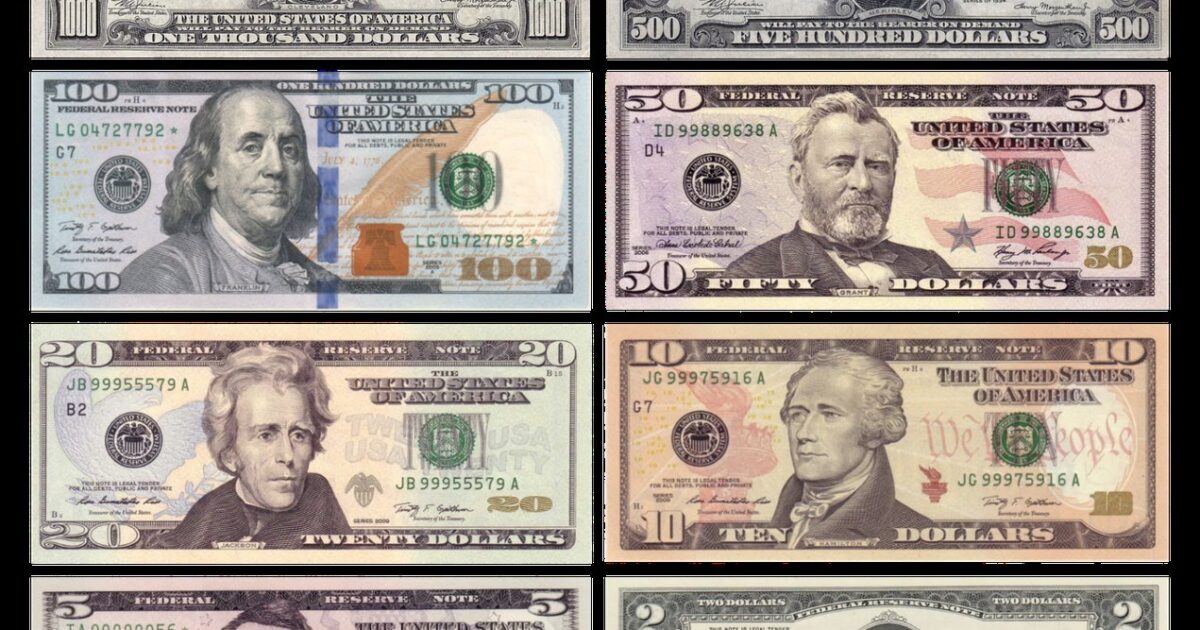
Ukraine is going through its biggest budget crisis since the start of the Russian invasion in 2022, as Russian attacks on industry and infrastructure are destroying the economy and making the war ever more expensive to finance, as Reuters reports.
Kryvyi Rih, President Volodymyr Zelenskiy’s hometown with about 600,000 residents, is fighting for survival. Russian airstrikes have brought the city’s large metallurgical and mining complex and the mines to a halt, bringing the local economy to its knees. Mayor Oleksandr Vilkul said the city is doing everything to keep hospitals open, the lights on in kindergartens and schools, and buses running. “In Kryvyi Rih, the situation is actually worse than anywhere else, except the front line itself,” Vilkul said in a video address.
Last month, the city’s largest employer — the ArcelorMittal complex — suspended operations after a series of Russian ballistic missile attacks shut down its furnaces. It is a picture repeated across Ukraine’s once-powerful steel industry, which accounted for a tenth of economic output before the war: giant plants in Zaporizhzhia and other industrial cities stand silent and exports have stopped. This summer’s escalation of Russian drone and missile attacks destroyed factories and warehouses, damaged ports and railways and forced shops and businesses to close, slowing the economy and tax revenues.
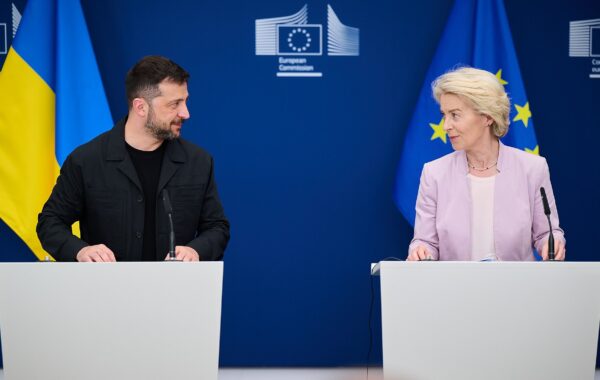
Meanwhile, the technology-driven war is becoming ever more expensive. Ukraine needs $56 billion to cover the gap this year — as much as a quarter of its economic output — of which $27 billion is military spending. To narrow the shortfall, Ukrainian officials met last week in Brussels with European partners to discuss speeding up next year’s payments under the EU’s €90 billion loan. But $29.5 billion in foreign aid is at risk this year because of delays in approving reforms — including unpopular tax reforms and anti-corruption legislation required by Western allies. The goal is for all the required legislation to be approved in parliament by 15 October.
Prime Minister Sergii Koretskyi admits the situation is “challenging”. The government has been forced to freeze non-essential spending — including the rebuilding of damaged buildings and infrastructure — to give priority to military spending, public-sector wages and pensions. “All resources must be channelled into critically important areas,” Koretskyi told reporters. According to Roksolana Pidlasa, chair of parliament’s budget committee, two years ago a day of war cost Ukraine $140 million, but that figure has jumped to $190 million. In the first nine months of this year, Ukraine spent more than $44 billion on defence alone, while collecting only about $42 billion in tax revenues. Tax losses from Russian attacks that damage property, disrupt logistics and close shops and businesses could reach 70 billion hryvnia by the end of the year.
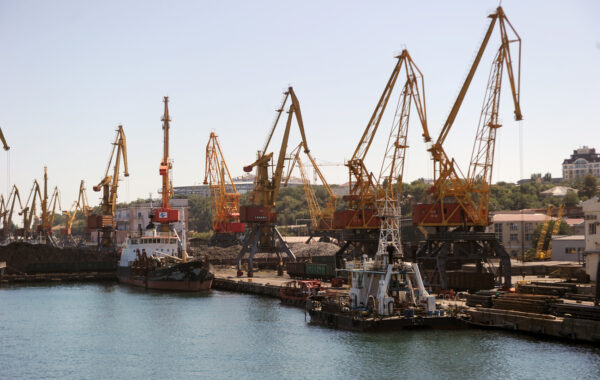
The agricultural sector — the largest source of export revenues — has been hit particularly hard: Russian attacks on Black Sea ports caused grain exports to fall by 36.6% in September compared with last year. Economy Minister Oleksandr Kravchenko said about $40 billion in export revenues are at risk this year. Even with tens of billions of euros in foreign support, Ukraine’s economy is expected to grow by only 0.5%–1.5% this year. Finance Minister Sergii Marchenko has proposed using Russian assets frozen in Europe — about €210 billion of the Russian central bank — to finance the budget.
Komentet
Bëhu i pari që komenton!
Lini një Koment të Ri
Për t'u përgjigjur një komenti specifik, kliko butonin 💬 Përgjigju poshtë atij komenti.