
Global Bond Selloff Deepens: U.S. 10-Year Yield at 19-Year High
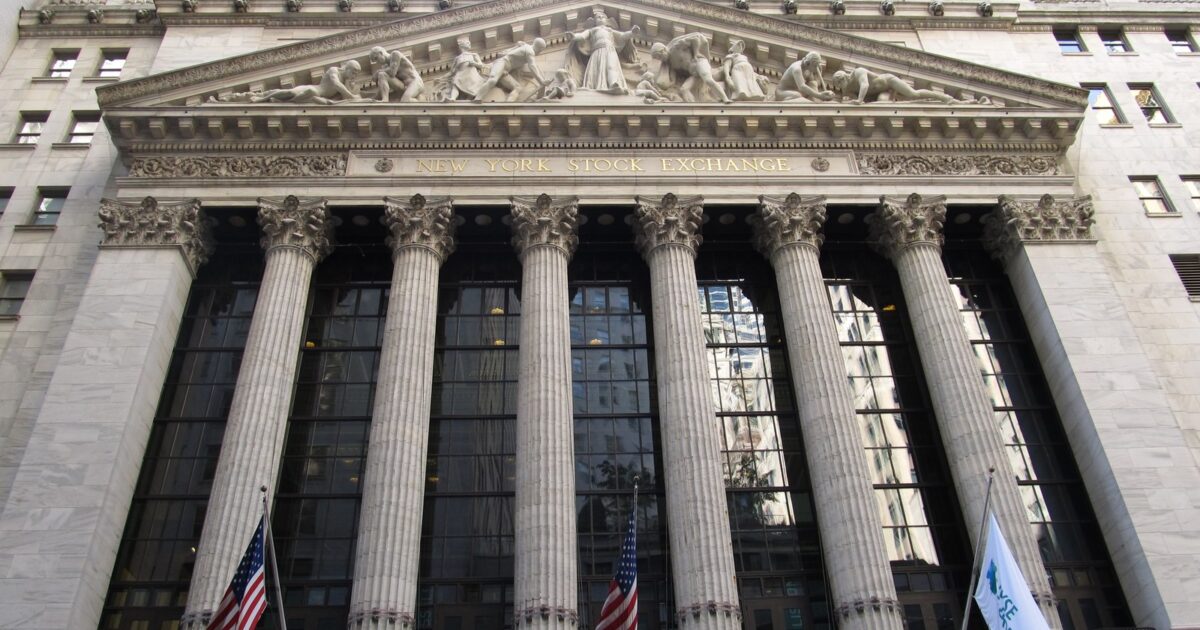
Asian markets held their ground on Friday, while a sustained global bond selloff pushed long-term U.S. Treasury yields to the highs of the last two decades. Rising borrowing costs are spreading fast across developed and emerging economies, threatening equity valuations that depend on low interest rates.
The yield on 10-year U.S. bonds climbed to 5.1915 percent, after touching a new 19-year high of 5.2251 percent — the biggest two-day gain since April 2025, when President Trump’s so-called “Liberation Day” tariffs shook markets. The 30-year bond yield touched 5.5016 percent, the highest since 2004, while U.S. mortgage rates rose to 7 percent, putting the housing market under severe pressure.
The selling wave spared neither Asia nor Europe. Japan’s 10-year yield reached 3.115 percent, the highest since 1996, while Australia’s climbed to 5.408 percent. French and German yields are at their highest since 2007–2008. Futures traders now price a 71 percent chance of another Federal Reserve rate hike next month and more than 90 basis points of additional tightening this cycle — nearly four quarter-point hikes.
Brent crude eased 0.8 percent to $105.75 a barrel, after a 3 percent overnight jump when a Houthi rebel missile attack on Saudi Arabia revived fears of supply disruptions. In the background remain hopes for a possible ceasefire between the U.S. and Iran, with a phased reopening of the Strait of Hormuz. Meanwhile, the dollar strengthened 1 percent this week to 101.25 against major currencies — the highest since late July.
Market moves were mixed: the MSCI Asia-Pacific index excluding Japan stood unchanged, Japan’s Nikkei gained 1 percent, Australian stocks lost 0.6 percent and Hong Kong’s Hang Seng fell 1 percent, while the markets of China, Taiwan and South Korea were closed for the Mid-Autumn Festival. The Bank of Norway raised rates on Thursday, Sweden’s Riksbank signaled it will likely follow the same path by year-end, while Mexico’s bank left rates unchanged but dropped its extended-pause guidance. In Washington, Chinese President Xi Jinping has arrived for talks with Donald Trump, but there is no sign of progress on artificial intelligence, trade, Taiwan or the war with Iran.
“Global bond markets are screaming, and ignoring them could prove very expensive. Once risk-free rates sit above 5 percent in the world’s largest economy, every asset on the planet must justify its price against that benchmark. Stocks, property, private credit, emerging-market debt — nothing is immune,” said Nigel Green, chief executive of the deVere group.
Source: Reuters

Komentet
Bëhu i pari që komenton!
Lini një Koment të Ri
Për t'u përgjigjur një komenti specifik, kliko butonin 💬 Përgjigju poshtë atij komenti.