
Saudi Arabia Restarts Strategic East-West Pipeline After Drone Attacks — Oil Falls Below $100 for First Time Since September 8
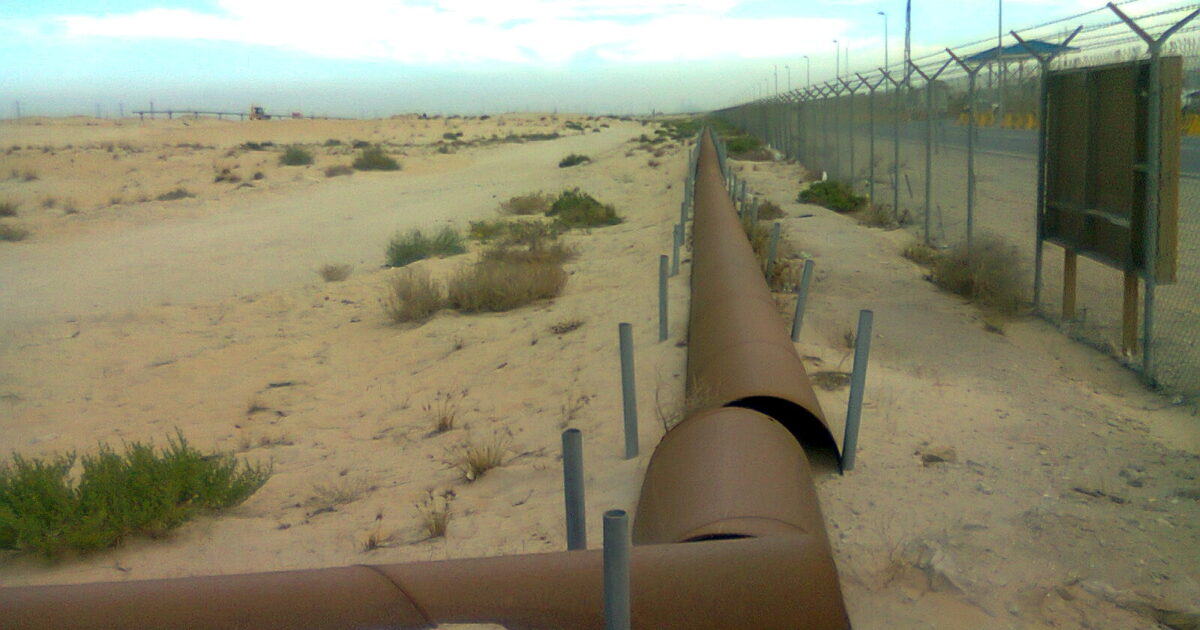
Saudi Arabia has restarted operations on the strategic East-West pipeline linking the kingdom’s eastern oil fields to the port of Yanbu on the Red Sea coast, three informed sources told Reuters on Tuesday. According to the sources, oil exports from Yanbu were expected to resume as early as Tuesday, after the pipeline had been shut following drone attacks.
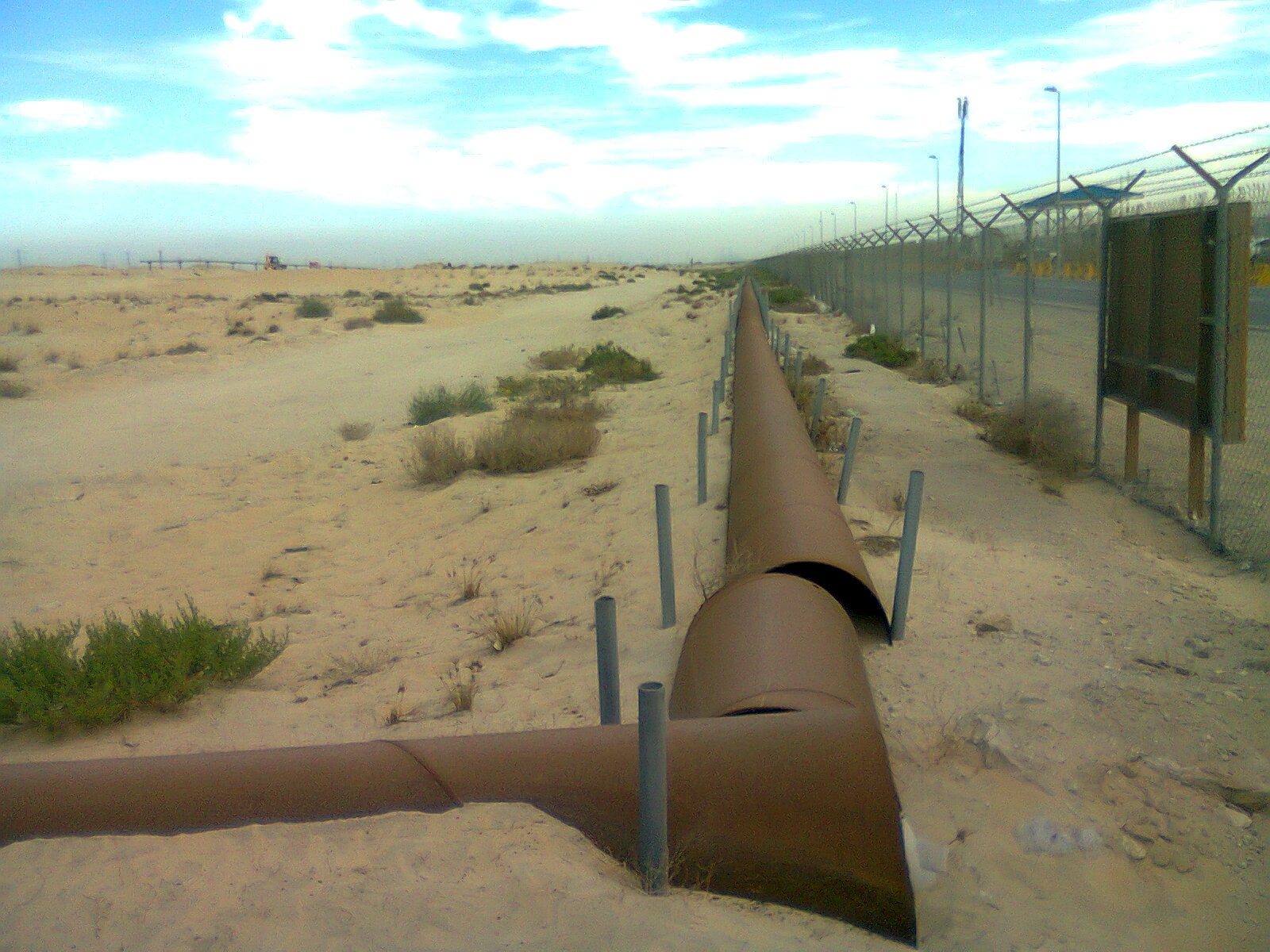
The pipeline was pumping at a low rate after the restart, two of the sources said. State oil giant Saudi Aramco aims to restore the pumping rate to 4 million barrels per day, but a security source warned that a full restart could take weeks — an industry source spoke of up to six weeks. According to one of the sources, a single cargo was scheduled to load at Yanbu on Tuesday, destined for China. Traders are meanwhile moving tankers to Port Said and Sidi Kerir on Egypt’s Mediterranean coast in preparation for Saudi cargoes.
Drones that Riyadh attributes to militias in Iraq forced the kingdom to shut the pipeline on September 11, halting oil loadings at the Yanbu port. Since the disruption of oil flows through the Strait of Hormuz after the U.S.–Israel war against Iran, Riyadh has used the pipeline to move around 4 million barrels of oil per day — about 4 percent of global supply — to Yanbu, bypassing the blocked strait. The 1,200-kilometer pipeline has a capacity of up to 7 million barrels per day.
The resumption of supplies, along with hopes for a diplomatic solution to the U.S.–Iran war through talks at the UN General Assembly in New York, gave the oil market its push downward: Brent closed below $100 a barrel on Tuesday — the first time since September 8. On Wednesday morning Brent fell to $99.18, while WTI dropped to $90.17, according to Reuters. President Trump said on Tuesday that his envoys Steve Witkoff and Jared Kushner had “productive talks” with Iran’s intermediaries: “I think there is a lot of momentum for a deal.” KCM Trade analyst Tim Waterer commented: “The market is feeling more optimistic about global supply than a few weeks ago.”
Iraq is also raising oil exports: Oil Minister Basim Mohammed said on Tuesday that the country exports more than 3 million barrels per day and expects to raise exports via Turkey above 600,000 barrels per day. Industry data also showed U.S. crude stockpiles rising by 1.8 million barrels in the week to September 18, although analysts polled by Reuters had expected a decline.
Source: Reuters — https://www.reuters.com/business/energy/oil-falls-increased-gulf-supply-hopes-us-iran-talks-2026-09-23/
Komentet
Bëhu i pari që komenton!
Lini një Koment të Ri
Për t'u përgjigjur një komenti specifik, kliko butonin 💬 Përgjigju poshtë atij komenti.